All Categories
Featured
How Sustainable Maintenance Reduces Property Operating Costs
How Professional Water Audits Protect Your Bottom Line

Major Advantages for Using Native Flora Varieties
Table of Contents
"People do not recognize that mainstream plants such as camellias and boxwood, for instance, can go months without water," said horticulturist Tom Ash of WeatherTRAK, a company that developed weather-based sprinkler timers that water only when they sense your plants need it. "Property owners usually overwater their landscapes by half," he stated.
Do not puzzle friendly with native. While lots of natives are drought-tolerant, so too are luscious-looking plants from all over the world. A California-friendly landscape has to do with the plants. And it is also about the plant keeper: the property owner who decides when and just how much to water and takes an active function in where the water goes.
If you think yuccas are yucky, dig a little much deeper into your gardening books to find plants that rely on a lot less water than maybe you thought. Daffodils don't need a drop of water in the summer season, if you get my drift.
Grass is the largest water drinker in the landscape, needing 70 percent of the landscape water we utilize. On the other hand, it is also effective at controlling erosion and lowering runoff on slopes. Use it only where it will become part of the service. Water less. The No. 1 reason that plants stop working is overwatering, a truth that many property owners persist to yield.
Strategic Support Hubs Serving SoCal
Do not squander water. According to the Surfrider Foundation and Orange County Coastkeeper, letting water struck the curb for any factor is bad.
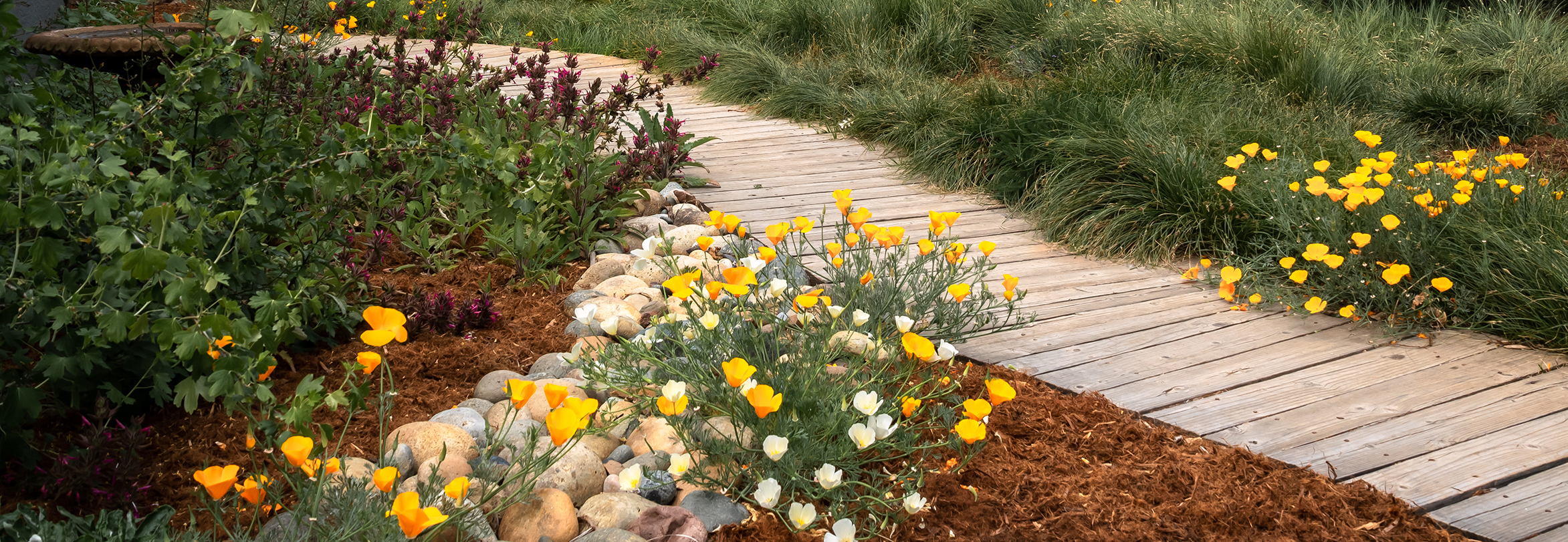
Commercial Landscaping South GateMulch like there is no tomorrow. Three inches of mulch go a long way towards maintaining the water we do use. If you think you are currently proficient at saving water in your landscape, you can test your nerve to learn. The countywide California Friendly Landscape Contest goes through June 1.
All gardens will be judged by the public very first ("American Idol"-design), who can view and vote online at from June 1 to July 1. Learn about the plants you currently have.
Standardizing Essential Sustainability Reporting for 2026
Group plants according to water needs. 2. Expand your plant scheme. California-friendly plants can consist of and are not restricted to ornamental grasses, bulbs, shrubs, locals, succulents and many plants from Mediterranean environments worldwide. 3. Take note of style. Not all drought-tolerant landscapes require to be dull as dirt. Let an imaginative design, and not always the plants, take spotlight.
The judges will be looking for 3 inches at least. Install a weather-based timer that senses the moisture level in your soil and the air and combines the information with knowledge of your landscape to water just when your plants require it.
Be your own clever timer. Learn to read your landscape, look at the soil and plants and consider the climate before you flip the water turn on. 7. Control overflow. Make certain a single drop never ever strikes your driveway or the seamless gutter. 8. Check out permeable hardscape items such as pavers and gravel that filter water before it trickles into the watershed.
Go natural. Give drier landscapes a great credibility by keeping your landscape pinched and pruned to excellence. Low water doesn't mean low upkeep.
All gardens will be evaluated by the public first ("American Idol"-style), who can see and vote online at from June 1 to July 1. Finalists will then be picked by a panel of judges. Discover contest details, guidelines and application information at . 1. Learn more about the plants you currently have.
Steps to Renovating Existing Commercial Campuses
Group plants according to water needs. California-friendly plants can consist of and are not limited to decorative turfs, bulbs, shrubs, locals, succulents and many plants from Mediterranean climates worldwide. Let an innovative style, and not always the plants, take center stage.
The judges will be looking for 3 inches at least. Set up a weather-based timer that senses the wetness level in your soil and the air and combines the info with knowledge of your landscape to water only when your plants require it.
Be your own wise timer. Find out to read your landscape, take a look at the soil and plants and consider the climate before you turn the water switch on. 7. Control runoff. Make certain a single drop never ever hits your driveway or the seamless gutter. 8. Look into permeable hardscape items such as pavers and gravel that filter water before it drips into the watershed.
Commercial Landscaping South GateModern Commercial Property Maintenance Protocols
Go organic. Give drier landscapes a great track record by keeping your landscape pinched and pruned to excellence. Low water doesn't mean low upkeep.

Latest Posts

Advanced Upgrades in Los Angeles

How Sustainable Maintenance Reduces Property Operating Costs

Measuring the Total ROI of Sustainable Investments